Can Snapchat Planets Predict Your Closest Friends?
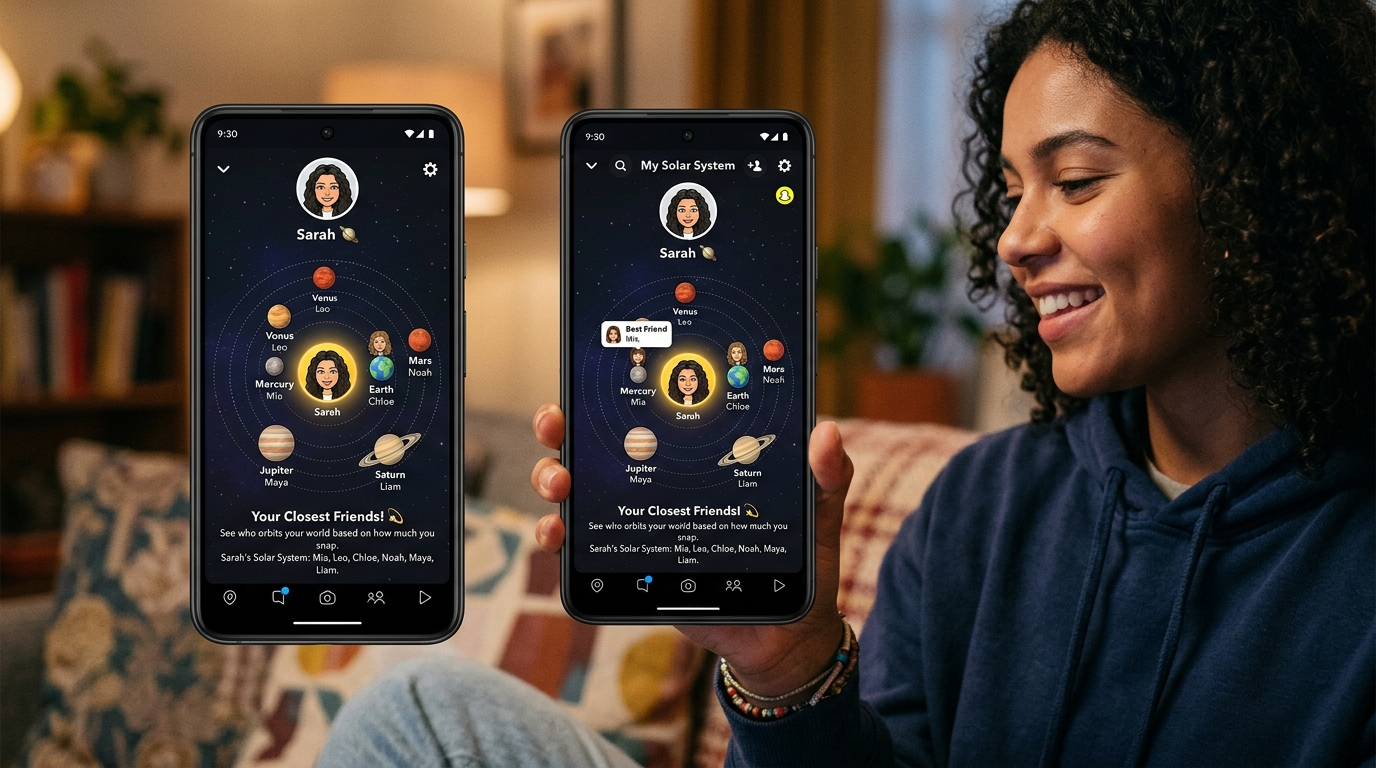
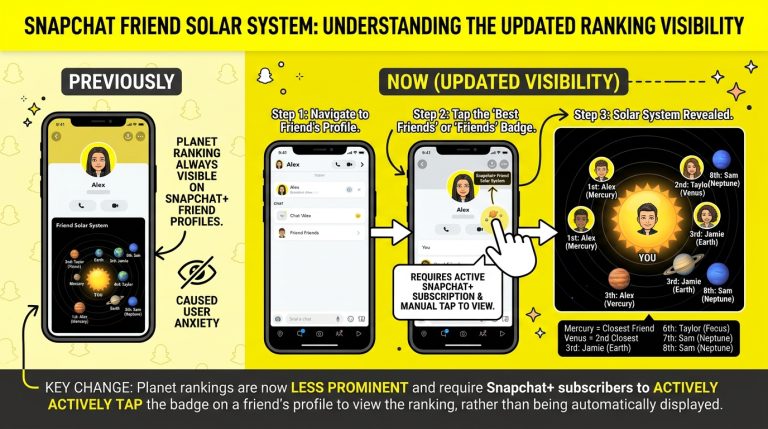
Snapchat Planets is one of the most popular Snapchat Plus features, allowing users to see their closest friends in a virtual solar system. Each of your top eight friends is assigned a planet, with Mercury representing your closest friend and Neptune representing your eighth closest friend. Because the feature ranks friendships, many users wonder whether Snapchat Planets can actually predict who their closest friends are.
The short answer is no. Snapchat Planets does not predict your closest friends. Instead, it analyzes your activity within Snapchat and ranks your friends based on your interactions. While the rankings often reflect your strongest connections on the app, they are not designed to measure real-life friendships or predict future relationships.
In this guide, we’ll explain how Snapchat Planets works, what it measures, and why it should be viewed as an activity tracker rather than a friendship predictor.
What Are Snapchat Planets?
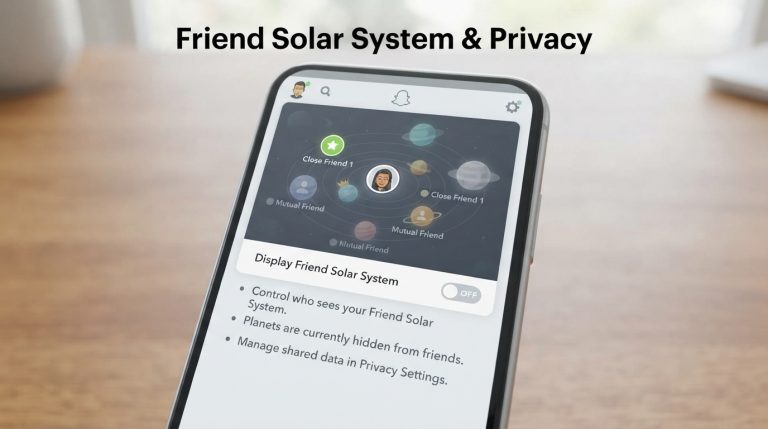
Snapchat Planets is a premium feature available through Snapchat Plus.
The feature is called the Friend Solar System, where:
- You are the Sun.
- Your top eight friends are assigned planets.
- Each planet represents a friendship ranking.
The order of the planets is:
- Mercury (Closest Friend)
- Venus
- Earth
- Mars
- Jupiter
- Saturn
- Uranus
- Neptune (Eighth Closest Friend)
The closer the planet is to the Sun, the more you interact with that person on Snapchat.
How Does Snapchat Determine Your Planet Rankings?
Snapchat uses several interaction signals to calculate your rankings.
These include:
- Snaps sent and received
- Chat conversations
- Story views and replies
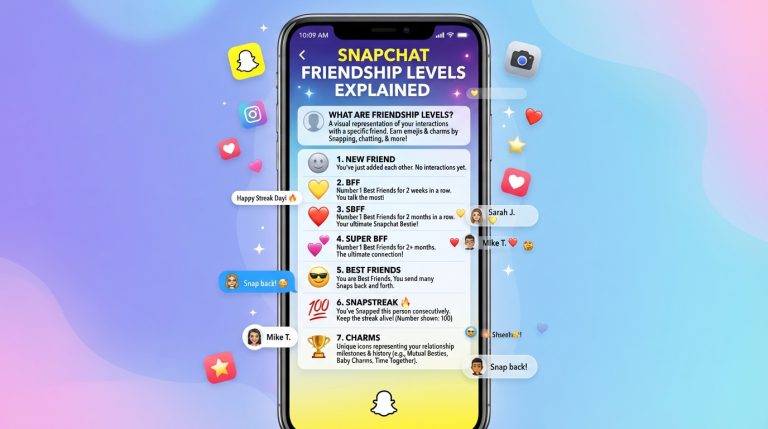
- Snapstreaks
- Overall communication frequency
- Recent activity
The system combines these factors to determine which friends appear in your Solar System.
Does Snapchat Planets Predict Friendships?
No.
Snapchat Planets does not predict friendships or relationships.
Instead, it reflects your existing activity on Snapchat.
For example:
- If you message someone every day, they are more likely to appear as Mercury.
- If you stop interacting with a friend, their ranking may decrease.
The feature reacts to your behavior rather than predicting future friendships.
Why Do People Think Snapchat Planets Can Predict Friendships?
Many users misunderstand the purpose of the Friend Solar System.
Some reasons include:
- The planet rankings look similar to a friendship leaderboard.
- Mercury is often interpreted as a “best friend” label.
- The visual design makes the feature feel more meaningful than it actually is.
In reality, Snapchat simply ranks interaction levels inside the app.
What Snapchat Planets Actually Measures
Snapchat Planets measures digital engagement—not emotional closeness.
The feature tracks:
- Communication frequency
- Interaction consistency
- Recent conversations
- Snap activity
- Story engagement
It does not measure:
- Trust
- Loyalty
- Emotional connection
- Time spent together offline
- Real-life friendships
Because of this, your Mercury isn’t always your best friend outside Snapchat.
Can a New Friend Become Mercury Quickly?
Yes.
Since Snapchat values recent and consistent interaction, a new friend can move up your rankings if you communicate with them frequently.
For example, if you:
- Exchange snaps every day.
- Start a Snapstreak.
- Chat regularly.
- Reply to each other’s stories.
That person can quickly become your Mercury, even if you’ve known them for only a short time.
Why Do Planet Rankings Change?
Your Friend Solar System is dynamic.
Rankings change whenever your interaction patterns change.
Common reasons include:
- You start talking to someone more often.
- A Snapstreak ends.
- Another friend becomes more active.
- You stop using Snapchat for a few days.
These changes don’t indicate stronger or weaker friendships—they simply reflect recent activity.
Can Snapchat Planets Predict Future Best Friends?
No.
Snapchat doesn’t forecast future relationships.
It only analyzes your current and recent behavior.
Even if someone moves from Neptune to Venus, that doesn’t mean they’ll become your lifelong best friend.
It simply means you’ve been interacting with them more recently.
Are Planet Rankings Always Accurate?
Snapchat Planets is generally accurate when measuring activity within the app.
However, it has limitations because it only considers Snapchat interactions.
For example:
- A close family member who rarely uses Snapchat may not appear in your top eight.
- A classmate you snap daily could rank higher than a lifelong friend.
The rankings are accurate for Snapchat usage—not for real-life relationships.
Should You Judge Friendships by Snapchat Planets?
No.
While Snapchat Planets is entertaining, it shouldn’t be used to evaluate friendships.
Many factors influence real relationships that Snapchat cannot measure, including:
- Shared experiences
- Trust
- Support
- Face-to-face conversations
- Communication on other platforms
Planet rankings are simply a snapshot of your Snapchat activity.
Tips for Understanding Your Planet Rankings
To use Snapchat Planets correctly:
- Remember that rankings are based on Snapchat activity only.
- Don’t compare your Solar System with others.
- Expect rankings to change over time.
- Focus on enjoying the feature rather than competing for Mercury.
- Treat the Friend Solar System as a fun visualization instead of a friendship test.
Why Snapchat Created the Friend Solar System
Snapchat introduced Planets to make friendships more engaging and interactive.
The feature encourages users to:
- Stay active on Snapchat.
- Maintain Snapstreaks.
- Interact with friends more frequently.
- Explore Snapchat Plus features.
It’s designed to make the app more enjoyable rather than to analyze personal relationships.
Common Misconceptions About Snapchat Planets
Many users mistakenly believe:
- Mercury means someone is your real-life best friend.
- Rankings never change.
- Planet positions are mutual.
- Snapchat can predict future friendships.
In reality, all rankings are based on your current activity within the app and update automatically as your communication patterns change.